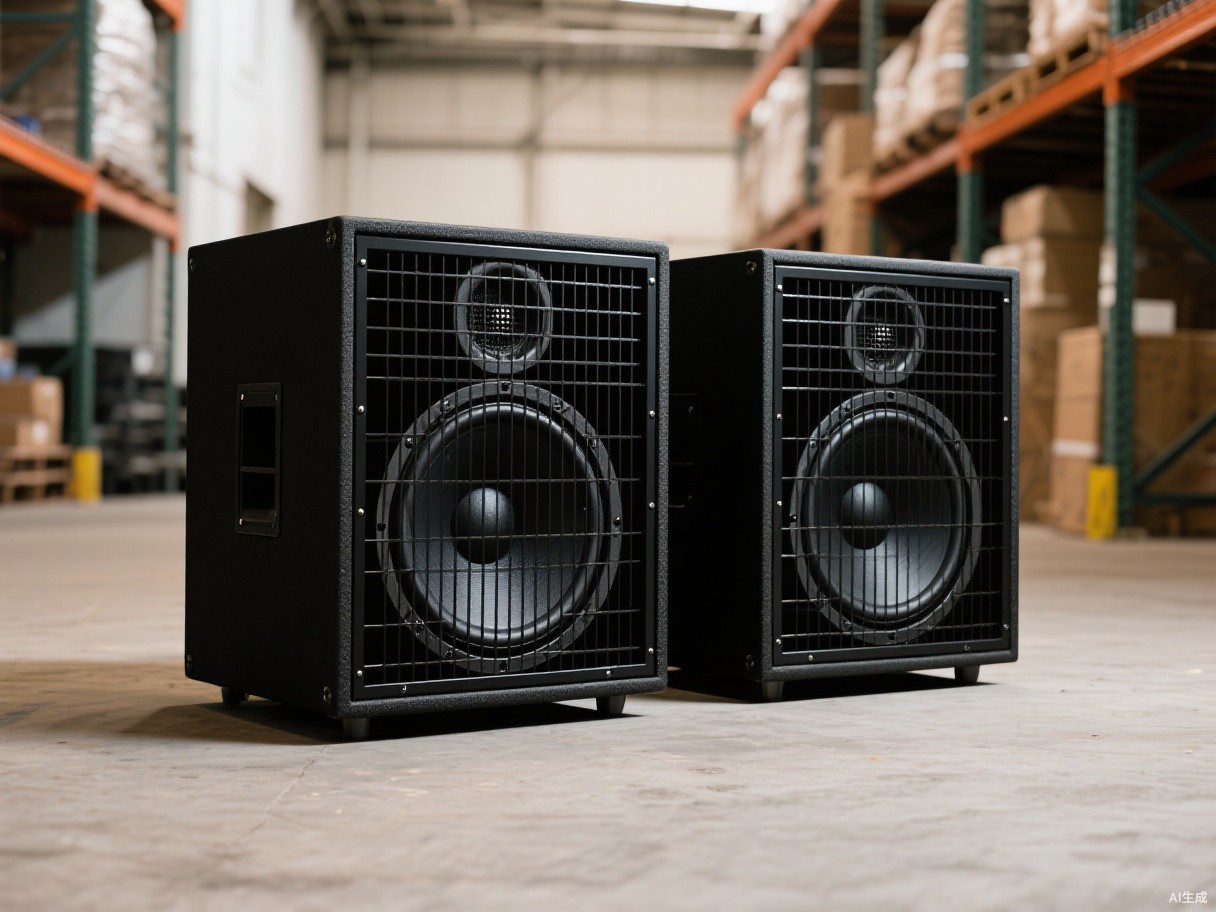
Club Subwoofer Matching: Output, Cardioid and Power
How to match used subwoofers to a room without buying more amplifier than the cabinets can use.
Match output to the room, not the wattage
A 96 dB subwoofer with 2,000 W and a 100 dB subwoofer with 1,200 W can produce similar output. Compare measured maximum SPL and frequency response instead of power ratings. For a 300–500 capacity club, two to four dual-18 cabinets are usually enough; a larger stack only helps if the room actually couples with it.
Decide whether you need cardioid
Cardioid subwoofer arrays reduce low-frequency energy behind the stage, which matters when the DJ booth sits close to a wall or neighbours. They require matched cabinets, correct spacing and a processor with delay and polarity control. If your processor cannot do this, buy simpler cabinets and spend the difference on placement.
Check power and processing
Confirm the impedance and power handling of each cabinet, then make sure the amplifier is stable at that load. A used subwoofer with a re-coned driver can be a good buy, but ask who did the work and when. Verify the processor presets and crossover points, and test both cabinets at the same level before shipping.
Shipping heavy boxes
Dual-18 cabinets weigh 80–100 kg each. Ask for pallet dimensions and confirm the container or truck can take the weight. Casters and covers are worth paying for on used units.
Units mentioned in this guide