Wireless Microphone Frequency Bands: What Exporters Must Check
A used wireless system is only useful if its band is legal and clear where you operate. Here is what to verify.
Band legality comes first
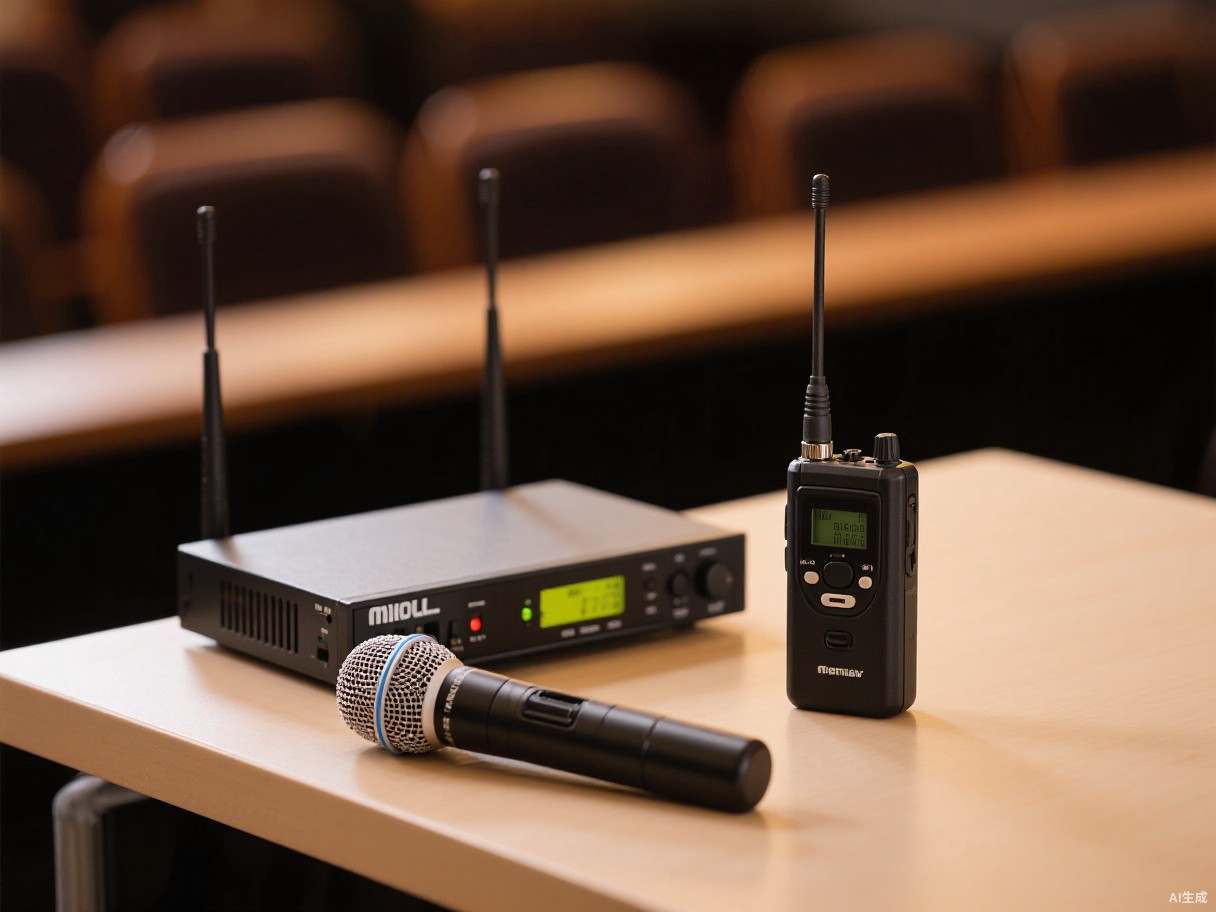
Wireless rules differ by country, and a system that works perfectly in one market may be illegal in another. Before buying, check the tuning range printed on the receiver and compare it with the allowed spectrum at the venue. Ask for a photo of the label, not just the model name. A wide-band system is more flexible, but it still has to stay inside local limits.
Check tuning range and channel count
Confirm the actual frequency range, the number of compatible channels and whether the receiver can scan for free frequencies. For multi-channel setups, calculate how many systems can run together in your band before you buy a lot.
Test the capsule and body
Handheld transmitters take abuse. Check the capsule thread, the battery door and the display. Test the mute switch and confirm the body does not cut out when the battery compartment is flexed. For lavalier systems, inspect the cable strain relief, which is the most common failure point.
Batteries and spares
Ask whether the system uses AA or rechargeable packs, and whether the charging station is included. Spare capsules and clips are inexpensive to add to the same shipment.
Units mentioned in this guide